
How to Choose the Right Materials for BFS Applications
2026-03-24
What is BFS technical?
Blow-Fill-Seal (BFS) is an advanced aseptic manufacturing process that integrates container forming, filling, and sealing into a single automated system. It is widely used in:
- Pharmaceutical packaging (eye drops, saline, injectables)
- Beverage and liquid food packaging
- Personal care and healthcare liquids
The key advantage of BFS lies in its closed, contamination-free production environment, making material selection absolutely critical.
If you need material used in BFS technical,please cotact us: 👉 +86 15837933829
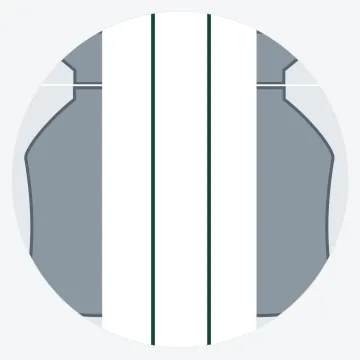
B
Blow Molding
Mold closes → Parison expands → Bottle forms
Mold closes → Parison expands → Bottle forms
F
Filling
Liquid flows down → Filling from bottom to top
Liquid flows down → Filling from bottom to top
S
Sealing
Top closes → Mold opens → Product released
Top closes → Mold opens → Product released
The above is an animated breakdown of the specific production operations for BFS (Blow-Fill-Seal) technology. Click here to learn more about the BFS production process.
Why Material Selection Matters in BFS?
Unlike conventional packaging, materials used in BFS (Blow-Fill-Seal) technical must perform under three simultaneous conditions:
-
High-temperature melt processing
-
Sterile environment compatibility
-
Direct contact with sensitive contents
Choosing the wrong material doesn’t just affect performance — it can compromise product safety, compliance, and shelf life.
Core Material Requirements for BFS
1. Purity & Regulatory Compliance
As a packaging material specifically designed for medical applications, materials suitable for BFS technology must comply with
- FDA / EU food contact regulations
- Pharmacopoeia standards (USP, EP where applicable); since the contents of the packaging are primarily liquids intended for direct contact with the human body, the materials must comply with the biocompatibility certification requirements of ISO 10993.
- Low levels of extractables and leachables are essential, particularly for pharmaceutical applications.
2. Sterilization Compatibility
Most products manufactured using BFS technology require sterilization processes such as steam sterilization, ethylene oxide sterilization, and radiation sterilization. Common materials like polyethylene and polypropylene may not withstand high-temperature steam sterilization, or they may experience performance degradation or the migration of harmful substances when exposed to high temperatures or high-energy radiation, making them unsuitable for medical applications that require high-performance sterilization.
3. Mechanical Properties
Most products manufactured using BFS technology are liquid-filled containers such as IV bottles and ampoules, which have strict requirements for preventing leakage of their contents; therefore, the materials used must possess good impact resistance. At the same time, the shape of these containers requires a certain degree of rigidity to
4. Transparency vs. Barrier Needs
Since the finished products manufactured using BFS technology are primarily used in medical infusion applications, they must meet high standards for transparency and visibility.
Common Materials Used in BFS
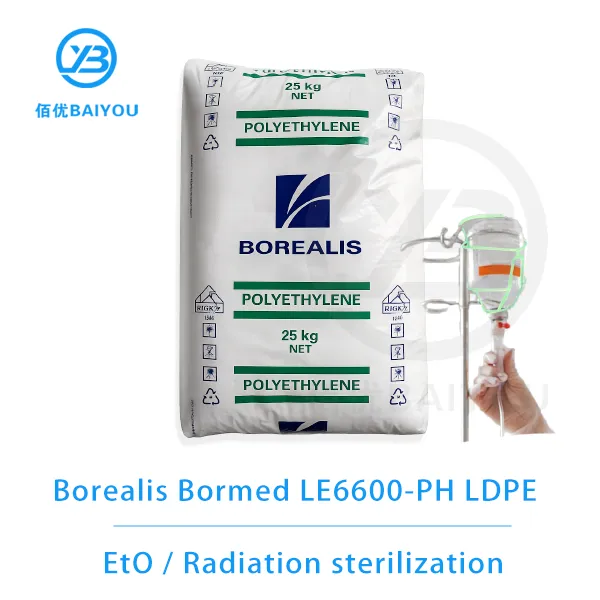
The Bormed series of materials, manufactured by Borealis AG, offers a wide range of solutions for BFS bottles and ampoules. These materials include polypropylene and low-density polyethylene, all of which are suitable for high-temperature steam sterilization. With over 35 years of industry experience in medical consumer packaging, Borealis AG has become a leading global supplier of packaging materials.
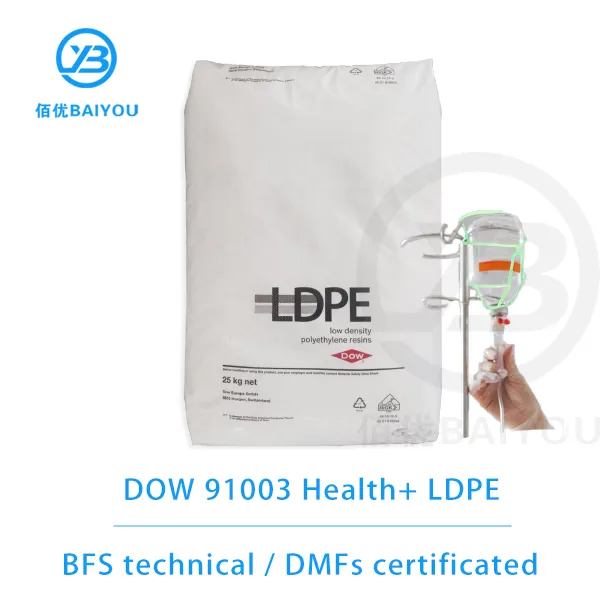
The DOW Health+ series of low-density polyethylene (LDPE) materials was developed specifically for the production of intravenous infusion bottles. The primary grade, DOW 10993 Health+, can withstand steam sterilization at temperatures up to 108°C, offers excellent processing properties, and is suitable for high-speed production equipment.
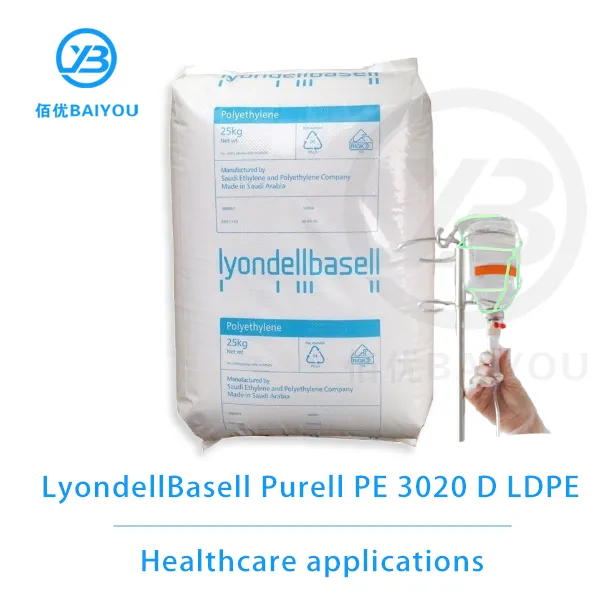
The LyondellBasell Purell LDPE series is specifically designed and developed for medical applications. Among these, PE1810E LDPE is specifically intended for Blow-Fill-Seal applications, medical tubing, and bottle caps, with a melt flow index of 0.4 g/10 min (190°C, 10 kg). PE3020D LDPE has a melt flow index of 0.3 g/10 min (190°C, 10 kg). It is suitable for injection molding equipment, offers good rigidity, and is commonly used in the production of BFS medical devices.
Radiation-Cured Polypropylene, Everything You Need to Know
Polycarbonate VS transparent ABS