
How much do you know about POM plastic?
Understanding POM Resin Granules: Characteristics and Applications
Polyoxymethylene (POM or acetal) resin, also known as acetal or polyacetal, is a high-performance engineering plastic widely used across various industries due to its excellent physical and chemical properties. In this article, we will explore the characteristics of POM resin granules and introduce specific grades of POM, highlighting their advantages and applications.
1. Basic Characteristics of POM material
- High Strength and Rigidity: POM resin boasts impressive mechanical strength and rigidity, making it ideal for components subjected to significant loads. For instance, Delrin® (a well-known brand of POM) is recognized for its exceptional tensile strength, allowing for reliable performance in demanding applications.
- Excellent Wear Resistance: With a low coefficient of friction, POM is suitable for manufacturing gears, bearings, and other components that experience friction. Products like POM-C are particularly praised for their superior wear resistance, enhancing the longevity of mechanical parts.
- Chemical Stability: POM exhibits strong resistance to various chemicals, such as solvents, oils, and fuels. This characteristic makes it suitable for applications in harsh environments. For example, POM-H (homopolymer grade) offers enhanced chemical resistance, making it a preferred choice for automotive fuel systems.
- Ease of Processing: POM resin granules can be easily processed through injection molding and extrusion, making it ideal for complex parts manufacturing. The availability of grades like Acetal Copolymer (POM-C) ensures that manufacturers can choose a formulation that best fits their processing methods.
- Thermal Stability: POM has a high heat distortion temperature, allowing it to maintain its integrity at elevated temperatures. This property is crucial in applications like automotive components, where temperature fluctuations can be significant.
2. Applications of Acetal material
-
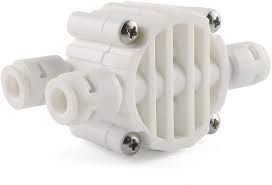 Automotive Industry:Acetal material is used in gears, bearings, valves, and fuel systems. Its durability and chemical resistance ensure reliable performance under the challenging conditions faced by automotive components.
Electronics:
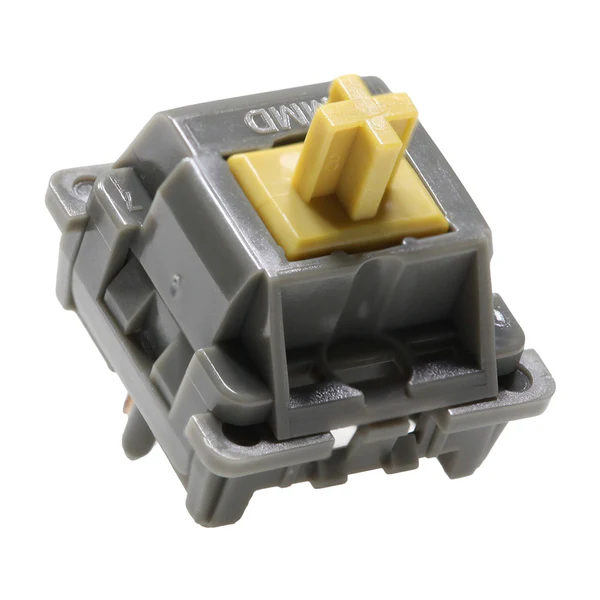
Acetal material is extensively used for various components, including electrical connectors, switches, and housings. Its excellent insulating properties effectively prevent electrical leakage and short circuits, ensuring the safety and functionality of devices. Additionally, POM's resistance to heat allows it to withstand thermal stresses during operation, making it a reliable choice for high-temperature environments
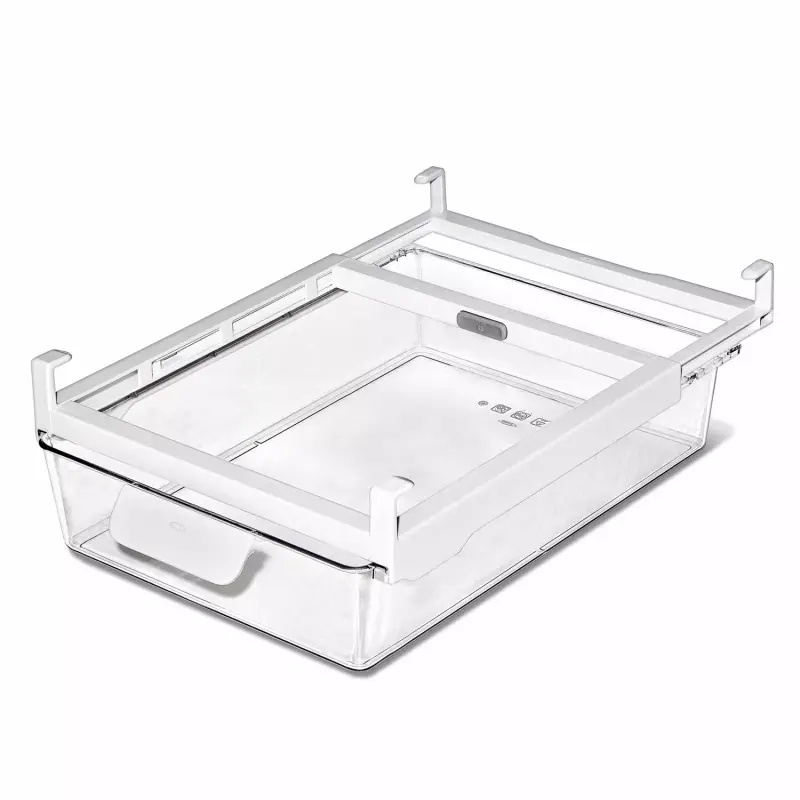
Consumer Appliances:
Industrial Machinery
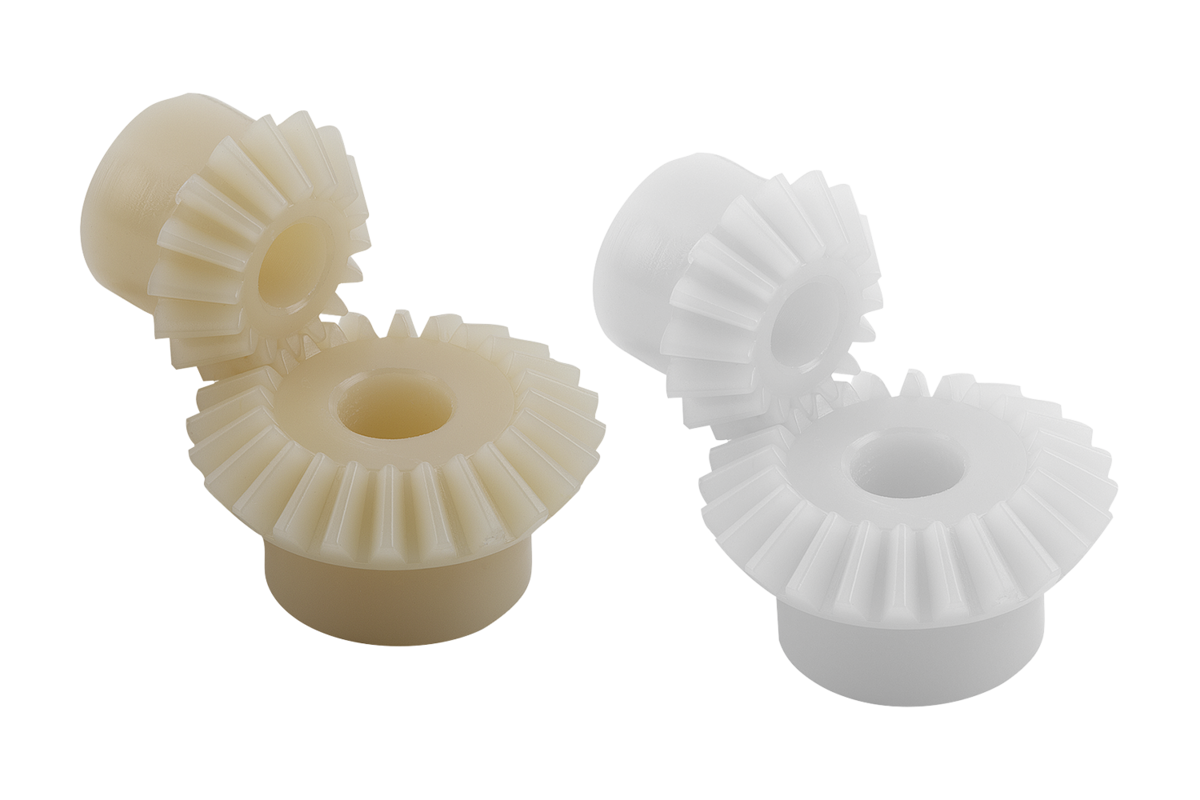
Acetal pellets is utilized in manufacturing a range of mechanical components, including transmission devices, guide rails, and other critical parts. Its high-performance characteristics and exceptional wear resistance make it ideal for applications that endure significant stress and friction. This ensures reliability and longevity, contributing to the overall efficiency of machinery and equipment.
3. Environmental and Safety Considerations of POM material
4. Specific Grades of POM Resin


Asahi Kasei 3010 acetal homopolymer offers excellent stability and processability, with a melt flow index (MFI or MVR) of 2.8 g/10 min (190°C, 2.16 kg), making it suitable for injection molding equipment. Thanks to its outstanding physical properties, it is widely used in applications requiring low friction, such as bearings, valves, gears, and zippers.

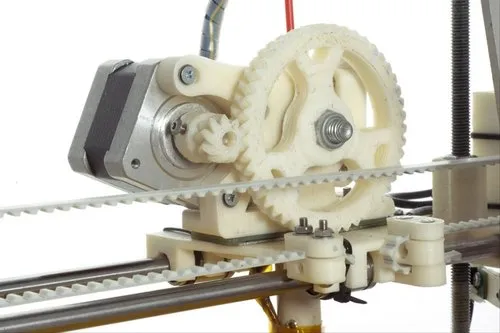
This is an injection molded extrusion POM pellet with excellent fluidity, high hardness, high temperature resistance, corrosion resistance, and wear resistance. DuPont 500P POM material is suitable for applications in harsh environments and is commonly used for automotive parts, Aerospace parts

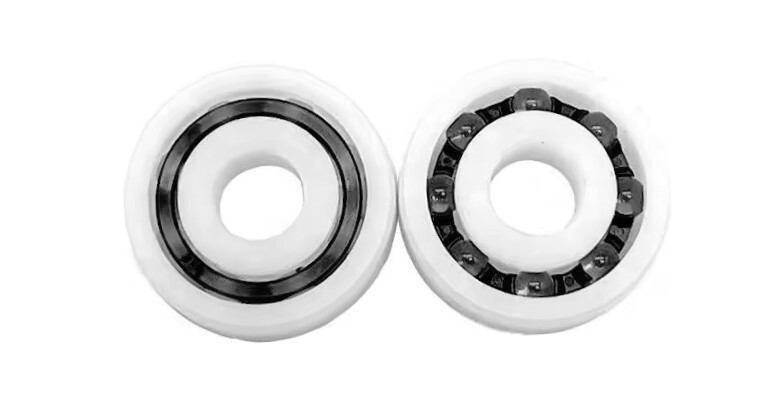


Introduction for POM Duracon M90-44